Understanding the Organic Waste Seamless Pattern: A Visual Guide to Sustainability and Recycling
What Is the Organic Waste Seamless Pattern?
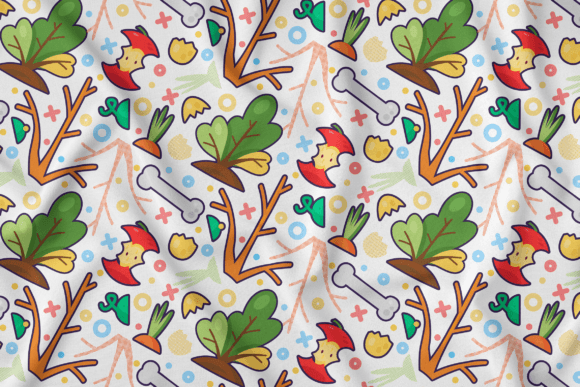
The Organic Waste Seamless Pattern is a modern design resource that visually represents the importance of recycling, composting, and sustainable living. It includes 100 vector clipart ornaments featuring symbols of organic waste such as bones, apple stumps, carrot slices, cucumber and beet slices, branches, and eggshells. Designed in a clean, flat outline style, this pattern serves as a versatile backdrop for educational, promotional, and creative projects focused on environmental awareness.
Whether you're designing a blog post, a social media campaign, or an educational poster, this pattern provides a cohesive and meaningful visual theme that supports the message of waste reduction and resource recycling. The seamless nature of the design allows it to be repeated without visible seams, making it ideal for backgrounds on websites, banners, and printed materials.
Why Organic Waste Patterns Matter in Today’s World
In a time when environmental concerns are at the forefront of global discussions, visual tools like the Organic Waste Concept Seamless Pattern play a crucial role in raising awareness. These patterns help communicate complex ideas—like composting, garbage sorting, and zero waste—in a visually engaging and accessible way.
By incorporating recognizable symbols of food scraps, agricultural waste, and compostable materials, the pattern makes it easier for people to understand what organic waste includes and how it can be repurposed. This is especially important in urban settings where people may be disconnected from the natural cycle of waste decomposition and reuse.
How This Pattern Supports Eco-Friendly Education
For educators, content creators, and environmental advocates, using visual aids like this pattern can significantly enhance the effectiveness of messaging. For example:
- Teaching composting basics: The pattern’s apple cores, vegetable peels, and eggshells help illustrate what can be composted.
- Promoting recycling efforts: Symbols like branches and plant-based waste highlight how organic materials can be reintegrated into the ecosystem.
- Raising awareness about zero waste: The overall design encourages reflection on how everyday items contribute to landfill waste and how they can be reused or repurposed.
Practical Applications of the Organic Waste Pattern
This versatile design resource can be used across a wide range of platforms and purposes. Here are just a few ways it can be applied effectively:
- Web and Mobile Design: Use the pattern as a background for eco-themed websites, landing pages, or app interfaces that focus on sustainability topics.
- Social Media Content: Create engaging posts, stories, or infographics for platforms like Instagram, Facebook, or Pinterest that promote composting, recycling, or green living.
- Educational Materials: Incorporate the pattern into course materials, posters, or presentations to visually reinforce lessons about environmental science and waste management.
- Print Media: Utilize the pattern in brochures, flyers, or posters for community recycling programs, gardening workshops, or environmental campaigns.
- Marketing and Branding: Eco-conscious brands can use the pattern in packaging designs, product labels, or marketing materials to align with sustainable values.
Files Included in the Organic Waste Seamless Pattern
The pattern comes in multiple file formats to ensure flexibility and ease of use across different platforms and software. These include:
- 1 EPS 10 file: Ideal for high-quality printing and scalable graphics.
- 1 AI CS2 file: Perfect for Adobe Illustrator users who want to edit the pattern directly.
- 1 SVG file: Great for web use and responsive design, as SVG files scale without losing quality.
- 1 PNG file with transparent background: Useful for overlaying the pattern on different backgrounds without visible borders.
- 1 JPG file: Suitable for general use in blogs, websites, or print materials where high resolution is not required.
These formats ensure that whether you're a graphic designer, educator, or small business owner, you can easily integrate the pattern into your work without technical limitations.
Breaking Down Organic Waste: From Kitchen Scraps to Compost
One of the key themes represented in the Organic Waste Concept Seamless Pattern is the transformation of food scraps into valuable compost. Organic waste includes materials like:
- Fruit and vegetable peels
- Coffee grounds and tea bags
- Eggshells
- Garden trimmings and leaves
- Leftover food scraps
When properly managed, these materials can be turned into nutrient-rich compost that enriches soil and supports plant growth. This process not only reduces landfill waste but also helps combat climate change by lowering methane emissions from decomposing organic matter in landfills.
Common Misconceptions About Organic Waste
Despite growing awareness, many people still misunderstand what qualifies as organic waste and how it should be handled. Some common misconceptions include:
- Myth: All food waste is compostable.
Reality: While most plant-based food scraps can be composted, items like meat, dairy, and oily foods should be avoided as they can attract pests and create odors. - Myth: Composting is complicated and messy.
Reality: With the right tools and knowledge, composting can be simple, odor-free, and even done indoors using small bins or worm composters. - Myth: Organic waste isn’t a big problem.
Reality: Organic waste makes up a significant portion of landfill waste and contributes to greenhouse gas emissions when it decomposes anaerobically.
How Businesses and Communities Can Benefit
Businesses, especially those in the food industry, can significantly reduce their environmental footprint by adopting practices that align with the themes illustrated in the Organic Waste Seamless Pattern. For example:
- Restaurants and cafes: Can implement composting programs for food scraps and donate excess food to local shelters.
- Supermarkets: Can reduce waste by selling "ugly" produce and offering compostable packaging options.
- Office spaces: Can set up compost bins for employees and partner with local composting services.
- Urban farms and community gardens: Can use compost from local waste to grow fresh produce, creating a closed-loop system.
Communities can also benefit by organizing composting workshops, launching educational campaigns, and implementing municipal composting programs. These efforts not only reduce landfill waste but also foster a culture of sustainability and environmental responsibility.
Embracing the Zero Waste Lifestyle
The ultimate goal behind using resources like the Organic Waste Concept Seamless Pattern is to promote a zero waste lifestyle. This means minimizing waste at every stage—production, consumption, and disposal. While achieving zero waste may seem ambitious, small steps like composting, recycling, and mindful shopping can collectively make a big difference.
Designers, educators, and businesses can all play a role by using visual tools to inspire and educate others. Whether it's through a social media post, a classroom poster, or a sustainable product label, the right imagery can spark conversations and encourage positive change.
Conclusion: A Pattern That Makes a Difference
The Organic Waste Seamless Pattern is more than just a design element—it's a visual representation of a global movement toward sustainability. By combining aesthetic appeal with meaningful symbolism, it helps bridge the gap between awareness and action. Whether you're creating educational content, promoting eco-friendly initiatives, or simply looking for a design that reflects your values, this pattern offers both functionality and inspiration.
Incorporating this pattern into your projects not only enhances visual appeal but also contributes to a broader conversation about the importance of recycling, composting, and reducing our environmental impact. As more people embrace sustainable practices, tools like this will continue to play a vital role in shaping a cleaner, greener future.