Autumn Patterns Watercolor: A Practical Guide for Creative Workflows
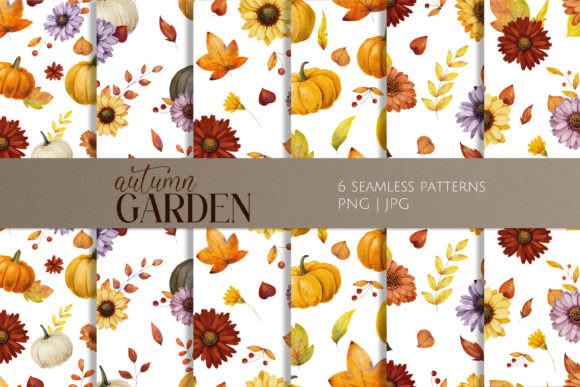
The transition into autumn often signals a shift in creative output, demanding visuals that reflect warmth, harvest, and the changing seasons. For designers, marketers, and small business owners, finding high-quality assets that balance artistic integrity with technical usability is a critical part of the production process. The Autumn Patterns Watercolor collection addresses this need by offering a set of seamless patterns featuring hand-painted leaves, flowers, and pumpkins. These are not merely decorative images; they are functional design resources engineered to integrate smoothly into professional workflows, from initial concepting to final product delivery.
Understanding how to leverage these assets effectively requires looking beyond their aesthetic appeal. It involves analyzing their role within a broader design ecosystem, considering file compatibility, resolution requirements, and the specific contexts where watercolor textures add value. Whether you are preparing a brand book for a new cosmetic line or designing wedding invitations for a fall ceremony, the efficiency gained by using pre-rendered, high-resolution elements can significantly reduce production time while elevating the quality of the final output.
Integrating Hand-Painted Elements into Design Processes
In a typical design workflow, the selection of textures and patterns occurs early in the conceptual phase. This is where the decision-making process regarding mood and tone takes place. Autumn Patterns Watercolor serves as a foundational element that can dictate the direction of a project. Because all elements are hand-painted, they carry an organic irregularity that vector graphics often lack. This texture is essential for projects aiming for a human touch, such as greeting cards, scrapbooking layouts, or artisanal packaging.
When integrating these patterns, it is important to consider the stage of your project. During the planning phase, these assets allow for rapid prototyping. Instead of spending hours painting individual leaves or blending colors manually, a designer can immediately visualize how a vibrant pumpkin motif interacts with typography or layout grids. This accelerates the iteration process, allowing stakeholders to approve concepts faster. Once the direction is set, the same assets move into the execution phase, where their high resolution ensures they remain crisp during printing or digital scaling.
The versatility of the collection also supports long-term brand consistency. For businesses developing a seasonal campaign, having a cohesive set of patterns ensures that every touchpoint—from social media posts to physical stationery—maintains a unified visual identity. By establishing these patterns as core brand assets, teams can streamline future updates without needing to recreate elements from scratch, thereby improving overall operational efficiency.
Technical Specifications and File Compatibility
A critical aspect of any digital asset library is its technical robustness. The Autumn Patterns Watercolor set is delivered in both PNG and JPEG formats at 300 DPI, a standard requirement for high-quality print production. This specification is vital for professionals working on tangible goods like textiles, ceramics, or fabric prints. Lower resolution files often result in pixelation when scaled up, which can compromise the perceived quality of a brand. With 300 DPI, designers can confidently prepare files for offset printing, large-format wallpaper, or detailed packaging without worrying about loss of detail.
The inclusion of transparent backgrounds in six of the patterns further enhances usability. In modern graphic design software, transparency allows for seamless layering. Designers can place a watercolor leaf over a solid color block, a photograph, or another pattern without dealing with unsightly white boxes. This flexibility is particularly useful for creating complex compositions, such as logo designs where a pumpkin icon needs to sit naturally against a gradient background, or web design elements that must adapt to various screen themes.
Furthermore, the availability of both white and transparent background options provides a strategic advantage during the file organization phase. White background versions are ideal for mockups where the asset needs to stand out clearly against a neutral canvas, while transparent versions are ready for immediate compositing. This dual format reduces the need for post-processing in image editing software, saving valuable time in the production pipeline.
Application Across Diverse Industries and Use Cases
The utility of Autumn Patterns Watercolor extends across a wide spectrum of industries, each with unique requirements. In the wedding industry, these patterns are perfect for invitation suites, menus, and table runners. The soft, blended edges of watercolor create a romantic and elegant atmosphere that complements formal typography. Planners and stationery designers can use these assets to offer clients a variety of seasonal themes without the cost of custom illustration commissions.
For the fashion and textile sector, the seamless nature of the patterns makes them ideal for fabric printing. Designers can repeat the motifs to create continuous rolls of fabric for clothing, home decor, or accessories. The vibrant colors ensure that the prints remain lively even after dyeing processes. Similarly, in the ceramics industry, these patterns can be transferred onto mugs, plates, and tiles, adding a handcrafted feel to mass-produced items.
In the realm of digital marketing and branding, these assets serve as powerful tools for engagement. Social media managers can use the bright watercolor elements to create eye-catching posts for autumn campaigns. The vivid colors help content stand out in crowded feeds. Additionally, for cosmetic brands launching fall collections, these patterns can be used on packaging labels, box inserts, and promotional materials to evoke the sensory experience of the season.
Small business owners and entrepreneurs will find particular value in the DIY and scrapbooking applications. Hobbyists can print these patterns to create personalized journals, planners, and gift tags. The ease of combining different elements allows for endless customization, empowering individuals to create professional-looking results without advanced design skills.
Workflow Optimization and Asset Management
To maximize the efficiency of using Autumn Patterns Watercolor, it is beneficial to establish a clear asset management strategy. Organizing files by background type (white vs. transparent) and format (PNG vs. JPEG) ensures quick retrieval during tight deadlines. Many designers maintain a "seasonal assets" folder structure, categorizing resources by theme and year. This practice prevents version control issues and ensures that the correct high-resolution files are always accessible.
When working with multiple team members, sharing these standardized assets helps maintain consistency. By providing the entire set to copywriters, web developers, and print vendors, everyone works from the same visual reference point. This reduces miscommunication and ensures that the final deliverables align with the original creative vision. For freelancers, offering these pre-made patterns as part of a service package can increase turnaround times and client satisfaction, as the bulk of the illustrative work is already completed.
Quality control is another area where these assets shine. Since the elements are hand-painted and professionally rendered, they undergo a level of scrutiny that user-generated content often lacks. This reliability means less time spent correcting errors or adjusting colors. Designers can focus their energy on layout, composition, and messaging, knowing that the underlying textures are of premium quality.
Strategic Implementation for Long-Term Value
While the immediate application of Autumn Patterns Watercolor is evident in seasonal projects, the long-term value lies in building a reusable resource library. By incorporating these patterns into a brand's style guide, organizations can create a repository of approved assets for future use. This approach supports scalability, allowing the brand to quickly adapt to new trends or product lines without starting from zero.
Moreover, the ability to combine transparent PNG files encourages experimentation. Designers can overlay different patterns, adjust opacity, and blend modes to create entirely new textures. This capability transforms a static set of images into a dynamic toolkit for ongoing innovation. Whether for a one-off greeting card or a comprehensive brand overhaul, the flexibility of these assets ensures they remain relevant throughout the creative lifecycle.
Ultimately, the decision to use Autumn Patterns Watercolor is an investment in workflow efficiency and design quality. By choosing assets that are technically sound, aesthetically versatile, and easy to implement, professionals can streamline their processes and deliver exceptional results. As the demand for authentic, hand-crafted visuals continues to grow, having a reliable source of high-quality watercolor elements becomes an indispensable part of the modern creator's toolkit.