Casino Building Icons: Defining Digital Landscapes for Mobile and Web
In the rapidly evolving ecosystem of digital design, the visual language used to represent physical structures plays a pivotal role in user engagement. Among the vast array of architectural representations available to creators, Casino Building Icons stand out as a specific niche that bridges the gap between luxury entertainment and functional interface design. These are not merely decorative elements; they are critical signposts within mobile applications and web platforms that guide users through complex navigation hierarchies. Whether you are a seasoned UI/UX designer, an independent developer, or a business owner launching a gaming platform, understanding the utility and technical requirements of these vector assets is essential for creating a polished, professional product.
The Technical Foundation of Modern Vector Assets
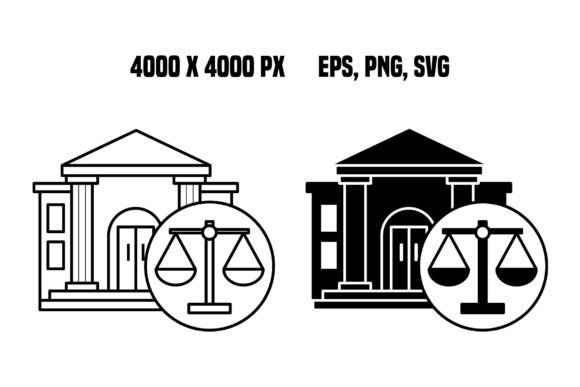
The demand for high-fidelity graphics has shifted the industry standard away from static raster images toward scalable vector formats. When sourcing Casino Building Icons, the technical specifications often dictate the success of the implementation across various devices. The modern requirement for a versatile asset package includes support for multiple file types, specifically EPS, PNG, and SVG. Each format serves a distinct purpose in the development workflow.
SVG (Scalable Vector Graphics) remains the gold standard for web applications. Because SVGs are defined by mathematical equations rather than pixels, they remain crisp at any zoom level. This is particularly important for responsive web design, where a casino building icon might need to render on a massive 4K monitor or a compact smartphone screen without losing definition. The ability to manipulate colors and strokes directly within the code allows developers to maintain brand consistency effortlessly.
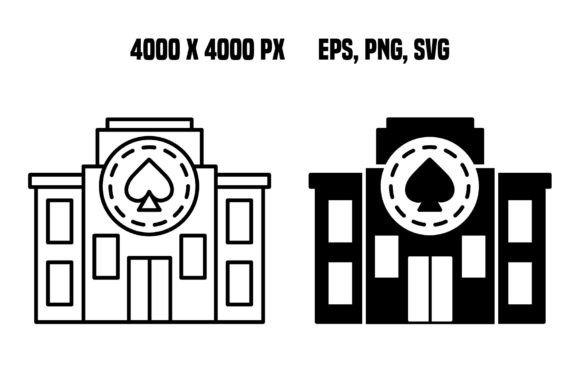
For print media or high-resolution marketing materials, the EPS (Encapsulated PostScript) format is indispensable. It ensures that the intricate details of the architecture—such as the ornate facades or glowing neon signs typical of casino imagery—are preserved when scaled up for billboards or brochures. Meanwhile, the PNG format offers a practical solution for legacy systems or scenarios requiring transparency without the overhead of vector rendering engines. A comprehensive package typically includes a high resolution of 300 dpi with dimensions reaching 4000 x 4000 pixels, ensuring that even the most detailed close-ups retain their integrity.
Why Resolution Matters in Architectural Iconography
When dealing with complex subjects like a casino building, low-resolution images can result in pixelation that detracts from the perceived value of the application. A 4000 x 4000 pixel source image provides a substantial buffer for designers who need to crop, resize, or apply filters without compromising quality. This high fidelity is crucial for maintaining the "premium" feel associated with the gambling and entertainment industry. Users subconsciously associate sharp, clear visuals with security and reliability, making the choice of high-quality vectors a strategic decision rather than just an aesthetic one.
Strategic Applications in User Interface Design
The integration of Casino Building Icons extends far beyond simple decoration. In the context of mobile and web applications, these icons serve as cognitive anchors. They help users instantly identify sections related to live gaming, virtual lobbies, or promotional events. For instance, in a fintech app offering loyalty rewards tied to entertainment venues, a recognizable casino icon can quickly direct users to the relevant transaction history or bonus redemption page.
Consider the workflow of a game developer creating a new slot machine application. The landing page requires immediate visual cues to establish the theme. Using a stylized vector of a grand casino entrance sets the tone before a single word is read. As the user navigates deeper into the app, smaller variations of this icon might appear as folder labels, category headers, or status indicators. The versatility of having both transparent backgrounds and solid fills allows these icons to adapt to dark mode interfaces, light themes, or gradient-heavy designs common in modern gaming apps.
Furthermore, these icons are vital for educational platforms and research tools. Educators developing simulations about urban planning or tourism economics can utilize these vectors to create interactive maps. Researchers analyzing the impact of gaming zones on local economies might use them in data visualization dashboards to represent key data points. The clarity of the vector format ensures that these symbols remain legible even when overlaid on dense charts or complex geographic information systems.
Enhancing Brand Identity Through Visual Consistency
For business owners and entrepreneurs, the visual identity of a brand is paramount. In competitive markets like online gaming and hospitality, differentiation is key. Casino Building Icons offer a unique opportunity to craft a distinctive brand voice. Unlike generic stock photos, custom or carefully selected vector designs allow for alignment with specific brand guidelines. The clean lines and geometric precision of vector art convey a sense of order and professionalism, which is essential for establishing trust with consumers.
When a store offers a ZIP file containing two distinct vector design elements, it provides the flexibility needed for dynamic branding. One element might be a simplified silhouette suitable for favicons or notification badges, while the other could be a more detailed illustration for hero banners or splash screens. This duality ensures that the brand maintains a cohesive look across all touchpoints, from the app store listing to the internal dashboard of the website.
Moreover, the transparency inherent in PNG and SVG files allows these icons to float seamlessly over any background color or texture. This adaptability is crucial for A/B testing different design layouts. Marketers can easily swap the background behind the icon to test conversion rates without needing to commission new artwork each time. The efficiency gained from using pre-optimized, high-resolution vectors accelerates the time-to-market for new features and campaigns.
Optimizing for Performance and Accessibility
Beyond aesthetics, the technical nature of these icons contributes to site performance. Vector files are generally smaller in file size compared to high-resolution raster images, leading to faster load times. In an era where mobile users expect instant gratification, reducing latency is a significant advantage. Faster loading pages improve SEO rankings and reduce bounce rates, directly impacting the bottom line for businesses.
Accessibility is another critical consideration. Well-designed vector icons can be paired with semantic HTML and ARIA labels to ensure that screen readers can interpret the content correctly. While the visual representation of a casino building is intuitive for sighted users, the underlying code must communicate its function to assistive technologies. The clean structure of SVG files makes it easier to embed descriptive metadata, ensuring that the application is inclusive and compliant with accessibility standards.
Navigating the Creative Workflow
For hobbyists and freelance creators, the process of integrating these assets into a project is streamlined by the availability of multi-format packages. The inclusion of EPS, PNG, and SVG means that a designer can work in Adobe Illustrator, Figma, Sketch, or even web-based editors without compatibility issues. The workflow becomes less about fighting with file conversions and more about creative exploration.
Imagine a scenario where a graphic designer is creating a presentation for a client proposing a new entertainment district. They can pull the high-resolution 300 dpi PNG for the printed handouts and use the SVG version for the digital slide deck. The ability to scale the 4000 x 4000 pixel source up or down without degradation saves hours of re-rendering time. This efficiency allows creators to focus on the narrative and the layout rather than the technical limitations of their assets.
Additionally, the "store" aspect of acquiring these resources highlights the importance of licensing and provenance. Professional-grade assets come with clear usage rights, protecting the end-user from legal complications. When visiting a digital store to purchase such a package, verifying the included formats and resolutions is a standard due diligence step. Ensuring that the download contains the full suite of vector elements guarantees that the project will not stall later due to missing file types.
The Future of Architectural Symbolism in Digital Media
As technology advances, the role of Casino Building Icons and similar architectural vectors is likely to expand. With the rise of augmented reality (AR) and virtual reality (VR), the demand for 3D-ready vector bases is increasing. These 2D vector designs often serve as the foundational blueprints for 3D modeling, allowing developers to extrude and animate buildings within immersive environments. The precision of the original vector lines translates directly into cleaner 3D meshes and smoother animations.
Furthermore, the trend toward micro-interactions in UI design relies heavily on lightweight, scalable graphics. Animated versions of these icons, derived from their vector roots, can add a layer of polish to user experiences. A subtle glow effect on a casino building icon when hovered over can enhance user delight without adding significant weight to the application. The versatility of the source files ensures that these future-proof adaptations are always possible.
Ultimately, the value of these digital assets lies in their ability to communicate complex ideas simply and effectively. Whether representing a physical destination, a digital lobby, or a conceptual idea of luxury, the right icon can bridge the gap between user intent and system response. By prioritizing high-resolution, multi-format vector resources, professionals and enthusiasts alike can ensure their projects meet the highest standards of quality and usability.
Thank you for visiting the store and exploring the potential of these design elements. As you integrate these tools into your next project, remember that the foundation of great design is often built on the quality of the components you choose. With the right combination of resolution, format, and artistic style, Casino Building Icons can transform a standard application into an engaging, memorable experience.