Sweet Grunge Texture Backgrounds: A Practical Evaluation for Designers
In the realm of digital design, texture often serves as the bridge between a flat, sterile composition and an image with tangible depth. Sweet Grunge Texture Backgrounds represents a specific aesthetic niche that merges the raw, distressed qualities of traditional grunge with softer, more approachable visual elements. For graphic designers, photographers, and digital artists seeking to infuse their projects with vintage charm without resorting to harsh, overly aggressive distress, this collection offers a distinct alternative. The value of such assets lies not merely in their visual appeal but in their ability to streamline workflows while maintaining high-resolution standards essential for both print and digital media.
The Intersection of Vintage Charm and Modern Utility
The term "grunge" historically evokes images of torn paper, heavy ink splatters, and chaotic decay. While effective for certain edgy projects, traditional grunge can sometimes feel too abrasive for brands aiming for warmth or nostalgia. Sweet Grunge Texture Backgrounds addresses this by refining the aesthetic. These textures retain the organic imperfections that give grunge its character—scratches, grain, and uneven tones—but apply them with a lighter touch. This creates a backdrop that feels aged and authentic rather than damaged or dirty.
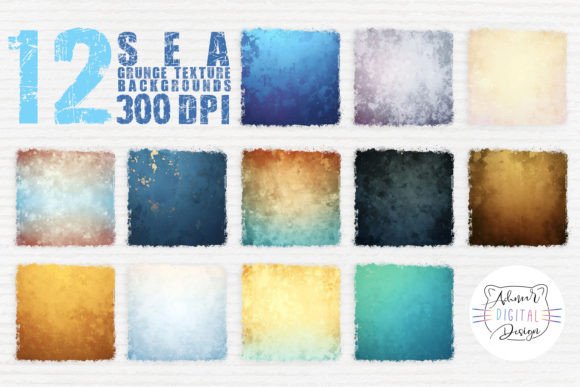
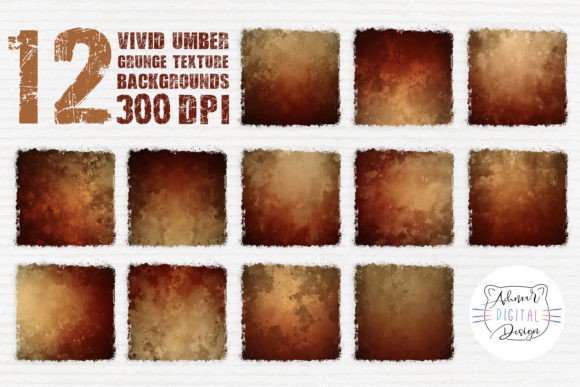
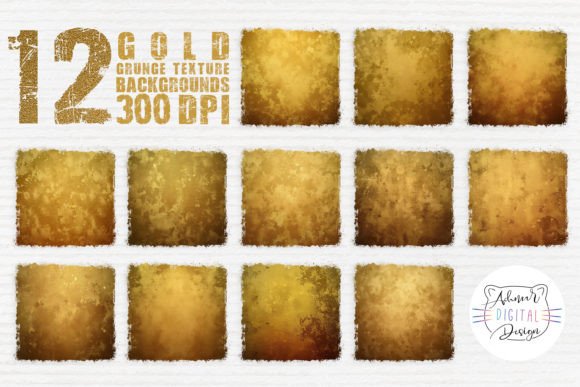
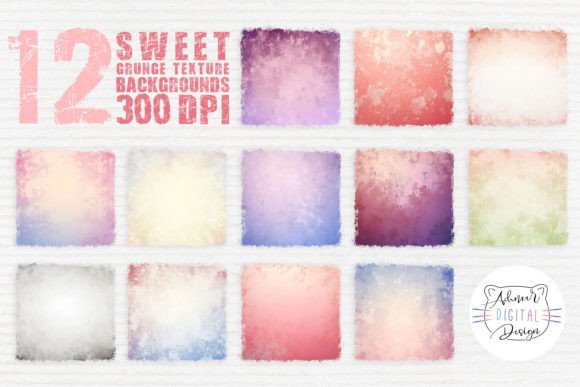
For professionals working on wedding invitations, boutique branding, or lifestyle photography, the balance is critical. The collection provides 12 distinct graphic elements in JPEG format, each rendered at 300 DPI. This resolution is non-negotiable for print work; it ensures that when these textures are scaled up for posters or large-format prints, the pixelation does not degrade the image quality. In a practical workflow, having high-resolution files ready eliminates the need for time-consuming upscaling processes, which often introduce artifacts and blur fine details.
Technical Specifications and File Usability
Evaluating any digital asset requires a close look at its technical foundation. The Sweet Grunge Texture Backgrounds package arrives as a single zipped file containing 12 individual JPEG images. From a file management perspective, this structure is efficient. It keeps the project organized while allowing users to extract only the specific textures needed for a given task without navigating through excessive folder structures.
The choice of JPEG format presents both advantages and considerations. JPEGs are universally compatible with almost every design software, from Adobe Photoshop and Illustrator to Canva and web development tools. They do not require specialized codecs or plugins, making them accessible for freelancers and small business owners who may not have access to the full Creative Cloud suite. However, unlike PNG or PSD files, standard JPEGs lack transparency layers. Users must be aware that these are intended as backgrounds or base layers. If a designer needs to overlay text or other graphics, they will need to utilize blending modes within their editing software to integrate the texture seamlessly. This is a standard procedure in professional design but worth noting for beginners expecting drop-in overlays.
Resolution and Scaling Performance
The 300 DPI specification is a significant strength of this collection. In the context of digital screens, where 72 DPI is standard, 300 DPI files provide a massive buffer for downscaling. When used for website backgrounds, the extra resolution ensures crisp rendering on high-density displays like Retina screens. Conversely, for print applications such as magazine spreads, packaging, or event posters, the high density prevents the "muddy" look that often plagues low-res textures when printed on physical media. The consistency across all 12 files means a designer can mix and match different textures within a single campaign without worrying about mismatched resolutions causing alignment or quality issues.
Practical Applications Across Industries
The versatility of Sweet Grunge Texture Backgrounds extends beyond simple decoration. Its utility varies significantly depending on the user's industry and specific goals. For photographers, these textures serve as powerful post-processing tools. By applying a subtle layer of sweet grunge over a portrait, a photographer can instantly evoke a sense of history or memory, transforming a modern snapshot into something resembling a vintage archival photo. This technique is particularly effective in editorial work or personal branding portfolios where storytelling is paramount.
Web designers and content creators find equal value in these assets. In an era of minimalist web design, a completely flat background can sometimes feel cold. Introducing a low-opacity layer of textured grunge adds tactile interest without overwhelming the user interface. It can guide the eye, create hierarchy, and establish a brand mood that feels established and trustworthy. For illustrators, these backgrounds act as a canvas that pre-loads the artwork with atmosphere, reducing the time spent manually painting noise and grain into digital illustrations.
Workflow Integration and Efficiency
Time is a currency for professionals. The primary argument for using curated collections like Sweet Grunge Texture Backgrounds is efficiency. Creating high-quality, organic textures from scratch involves photographing physical materials, scanning them, cleaning up digital noise, and adjusting color profiles—a process that can take hours. By utilizing a pre-made set of 12 high-resolution files, designers bypass the creation phase and move immediately to application.
This shift allows creatives to focus on composition, typography, and messaging rather than asset generation. In a fast-paced marketing environment, where deadlines are tight, having a reliable library of textures ensures that projects maintain a consistent visual identity without sacrificing quality. The uniformity of the collection also aids in creating cohesive campaigns. Whether designing a series of social media posts, a brochure, or a website landing page, the textures ensure that the "vintage charm" remains consistent across all touchpoints.
Limitations and Considerations
While the collection offers significant benefits, it is important to acknowledge its limitations to manage expectations. Because the textures are provided in JPEG format, they are raster-based. This means they cannot be vectorized or scaled infinitely without loss of quality, although the 300 DPI starting point mitigates this for most standard use cases. Additionally, the "sweet" nature of the grunge implies a specific tonal range. If a project requires a darker, grittier, or more industrial aesthetic, these particular textures might not align with the desired mood. Users should preview the textures against their specific color palettes before committing to a design direction to ensure the contrast and tone complement the foreground elements.
Long-Term Value for Creative Professionals
The long-term value of Sweet Grunge Texture Backgrounds lies in its adaptability. Trends in design fluctuate, but the desire for authenticity and texture remains constant. As digital interfaces become increasingly polished and artificial, the introduction of organic imperfections becomes a counter-trend that resonates with audiences. Owning a diverse set of textures allows professionals to pivot quickly when client demands shift toward retro or nostalgic themes.
Furthermore, the investment in high-quality assets pays dividends in client perception. Deliverables that feature rich, high-resolution textures demonstrate attention to detail and a commitment to premium quality. For entrepreneurs and small business owners building their own brands, using these textures elevates the perceived value of their products and services, distinguishing them from competitors relying on generic, stock-standard backgrounds.
Conclusion: Is This Collection Right for Your Projects?
Sweet Grunge Texture Backgrounds is a robust resource for those who understand the power of texture in visual communication. It is particularly well-suited for graphic designers, photographers, and illustrators who need to add depth and vintage character to their work without the overhead of creating custom assets. The combination of 300 DPI resolution, varied styles within the 12-file set, and universal JPEG compatibility makes it a practical addition to any creative toolkit.
However, its effectiveness depends on the user's ability to integrate raster textures effectively using blending modes and opacity adjustments. It is not a magic fix for poor composition, but rather a tool to enhance strong designs. For professionals looking to streamline their workflow and inject a touch of refined nostalgia into their digital artwork, posters, or web backgrounds, this collection offers a reliable, high-quality solution that balances aesthetic appeal with technical performance.