Environmental Protection Icons: Creative Design Resources
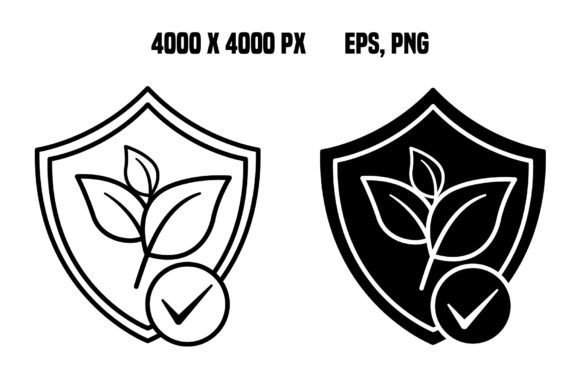
Designers and creators are increasingly turning to visual storytelling to communicate sustainability and environmental awareness. The Environmental Protection Icons pack offers a powerful toolkit for those looking to incorporate eco-conscious visuals into their projects. This ZIP file contains two vector design elements in EPS and PNG formats, both with transparent backgrounds and a high resolution of 300 dpi at 4000 x 4000 pixels. These icons are not just practical—they’re versatile assets that can elevate web design, branding, and educational materials.
What Makes Environmental Protection Icons Unique
At their core, these icons distill complex environmental themes into clear, recognizable symbols. Whether it’s a tree, water droplet, or recycling symbol, each design is crafted for clarity and visual impact. The transparent background allows seamless integration into any layout, while the high resolution ensures sharpness across print and digital formats. Designers will appreciate the scalability of vector elements, which maintain quality at any size—perfect for responsive web design or print media.
Creative Applications Across Industries
The versatility of Environmental Protection Icons makes them suitable for a wide range of applications. Here are just a few creative directions to consider:
- Website UI Elements: Use the icons to enhance navigation menus, feature sections, or call-to-action buttons on eco-themed websites.
- Educational Infographics: Teachers and educators can integrate these visuals into classroom materials or digital presentations to illustrate environmental concepts.
- Marketing Campaigns: Marketers can incorporate the icons into social media posts, banners, and promotional flyers to reinforce sustainability messaging.
- Printed Materials: Flyers, posters, and brochures benefit from the high-resolution format, making these icons ideal for eco-conscious brands and nonprofits.
- Mobile App Icons: App developers can use these visuals to create intuitive interfaces for eco-tracking or sustainability-focused tools.
Designing with Purpose: Style and Adaptability
While the icons come in a clean, modern style, they can be customized to suit different design aesthetics. Whether you're working on a minimalist layout or a bold, illustrative design, these elements can be layered, recolored, or combined with other graphics to fit your vision. Designers can experiment with line weights, color palettes, and compositions to match brand identities or seasonal themes.
For example, a nature-focused blog might use green tones and organic shapes around the icons to create a cohesive visual language. A tech startup focused on sustainability could opt for a sleek, monochrome approach to reflect innovation and clarity. The key is to maintain consistency in style while allowing the icons to stand out as focal points.
Who Can Benefit from Environmental Protection Icons
These icons are especially useful for a broad range of professionals and creatives:
- Graphic Designers: Expand your icon library with high-quality, thematic assets that work across multiple projects.
- Web Developers: Speed up UI design by using ready-made icons that are both scalable and easy to integrate.
- Content Creators: Bloggers and YouTubers can use these visuals to enhance thumbnails, banners, or supporting graphics for eco-themed content.
- Entrepreneurs: Startups with an environmental mission can reinforce their brand identity through consistent visual cues.
- Educators: Make environmental lessons more engaging with visual aids that simplify complex topics.
Whether you're designing a personal project or a client deliverable, these icons offer a professional foundation that supports both form and function.
Maximizing Impact with Clear Visual Communication
Icons are most effective when they enhance user experience rather than distract from it. To ensure your designs remain clean and purposeful, follow these practical tips:
- Use Consistent Sizing: Keep icons uniform in size and spacing to maintain a polished look across layouts.
- Match Color Themes: Choose a limited color palette that aligns with your brand or design context to keep visuals cohesive.
- Avoid Overcrowding: Let the icons breathe by giving them enough space within the design. Too many icons in one area can confuse the viewer.
- Pair with Clear Typography: Icons work best when paired with descriptive text that reinforces their meaning.
- Test for Accessibility: Ensure contrast levels are sufficient for users with visual impairments, especially when using transparent backgrounds.
By applying these principles, you’ll ensure your use of Environmental Protection Icons is both effective and visually appealing.
Inspiration for Real-World Projects
Here are a few project ideas that bring the icons to life:
- Eco-Friendly Product Packaging: Use the icons to highlight sustainable features like recyclability, biodegradability, or carbon-neutral production.
- Interactive Environmental Dashboards: Web developers can integrate the icons into data visualizations that track energy usage or carbon footprints.
- Online Course Graphics: Educators can use the icons in course thumbnails or module visuals to represent sustainability topics.
- Nonprofit Campaign Materials: Charities can build awareness through posters, banners, and social media assets that use the icons to symbolize their mission.
- Corporate Responsibility Reports: Businesses can incorporate the icons into infographics that showcase their environmental impact and goals.
Each of these examples demonstrates how the same set of icons can be adapted creatively to suit different audiences and formats.
Final Thoughts on Environmental Design Elements
The Environmental Protection Icons pack is more than just a set of images—it’s a flexible design solution for anyone committed to visual storytelling with purpose. Whether you're building a website, creating educational content, or launching a sustainability campaign, these icons provide a professional, scalable, and meaningful way to communicate your message. By combining creativity with practical design principles, you can make a lasting impact while staying true to your project’s goals.